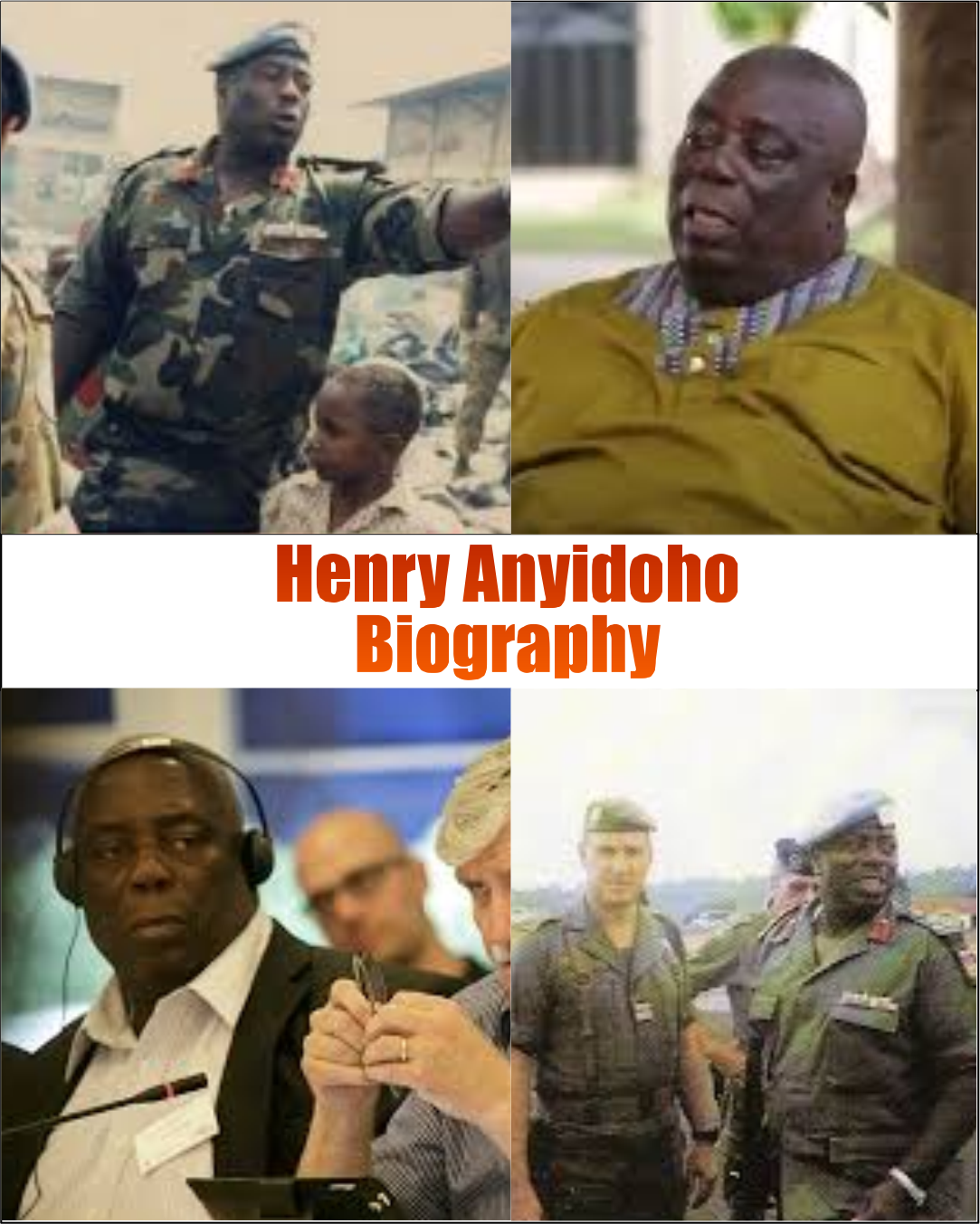
Henry Anyidoho Biography
The Henry Anyidoho Biography: The Commander Who Walked Into a Genocide Zone and Brought Thousands Out Alive.
Discover how Henry Anyidoho led Ghanaian troops during the Rwandan Genocide, defied withdrawal pressures, and saved lives under impossible conditions.
When the world began to pull out of Rwanda in 1994, most forces were ordered to withdraw.
The situation was considered too dangerous. Too unstable. Too far gone.
But not everyone left.
Henry Anyidoho stayed.
And in staying, he made a decision that would define his legacy—not just as a soldier, but as a man who chose humanity over protocol.
Early Life and Enlistment Story
Henry Anyidoho’s early life in Ghana was shaped by discipline and national service.
He joined the Ghana Armed Forces, where his training emphasized:
- Command responsibility
- Operational readiness
- Leadership in structured environments
Over time, he rose through the ranks, gaining experience that would eventually place him in one of the most difficult missions in modern peacekeeping history.
Henry Anyidoho Biography
| Full Name | Henry Kwami Anyidoho |
|---|---|
| Date of Birth | 1952 |
| Place of Birth | Ghana |
| Nationality | Ghanaian |
| Profession | Military Officer |
| Known For | Deputy Force Commander of UNAMIR during the Rwandan Genocide |
| Education | Ghana Military Academy |
| Net Worth | Not publicly disclosed |
| Marital Status | Not publicly disclosed |
See also: Shola Akinlade Biography: The Quiet Builder Who Sold Paystack and Changed Africa Payments
Major Engagement: The Rwandan Genocide
Anyidoho was deployed as part of the United Nations Assistance Mission for Rwanda during the genocide.
The mission, initially designed to monitor peace, quickly became overwhelmed as violence escalated.
When killings began on a massive scale, many international forces withdrew.
But Anyidoho and a group of Ghanaian peacekeepers remained.
Heroic Acts: Choosing to Stay When Others Left
In a situation where evacuation was the safer option, Anyidoho reportedly made a different choice.
He and his troops:
- Continued protecting civilians
- Maintained safe zones
- Escorted vulnerable individuals to safety
Operating with limited support, they managed to save thousands of lives.
These actions were not part of a large-scale military victory.
They were acts of persistence—carried out in a collapsing environment.
Survival in a Collapsing System
The genocide created conditions where:
- Authority structures broke down
- Violence spread rapidly
- Trust disappeared
For Anyidoho and his unit, survival meant:
- Constant vigilance
- Careful navigation of hostile areas
- Maintaining discipline in chaos
Every decision carried immediate risk.
Leadership Under Extreme Pressure
Anyidoho’s leadership was defined by clarity in uncertainty.
He had to:
- Make decisions without full support
- Maintain troop morale
- Balance safety with responsibility to civilians
His command style reflected:
- Calm under pressure
- Strong ethical grounding
- Commitment to mission beyond orders
Psychological Struggles and Aftermath
Serving in a genocide environment leaves lasting psychological impact.
Anyidoho later spoke about:
- The emotional toll of witnessing mass violence
- The burden of decisions made during the crisis
- The lasting memory of lives lost and saved
Such experiences shape a soldier’s life long after the mission ends.
Medals, Honors, and Recognition
Anyidoho received recognition for his role in Rwanda, both within Ghana and internationally.
His actions have been acknowledged as:
- Acts of courage under extreme conditions
- Examples of effective peacekeeping
- Demonstrations of moral leadership
His legacy is closely tied to the lives he helped protect.
Life After Service
After his military career, Anyidoho remained involved in:
- Public speaking
- Sharing lessons from Rwanda
- Advocacy related to peacekeeping and conflict awareness
His experiences became part of a broader effort to educate future generations.
Untold Stories from Rwanda
Much of what happened during the genocide remains undocumented in full detail.
For Anyidoho, this includes:
- Personal encounters during rescue operations
- Moments where decisions had immediate life-or-death consequences
- Interactions with civilians seeking protection
These untold stories form part of the deeper human narrative behind the mission.
Legacy and Global Impact
Henry Anyidoho’s legacy extends beyond Ghana.
He represents:
- The potential of African-led peacekeeping
- The importance of individual decision-making in crisis
- The role of moral courage in military leadership
His story challenges a common assumption:
That peacekeepers are passive observers.
In reality, they can be active protectors.
Memorable Closing
Henry Anyidoho did not have the advantage of numbers, resources, or support.
What he had was a decision.
To stay.
To act.
To protect.
And in a moment when systems failed, that decision made all the difference.
Because sometimes, history is not shaped by institutions.
It is shaped by individuals who refuse to walk away.
Frequently Asked Questions
Who is Henry Anyidoho?
Henry Anyidoho is a Ghanaian military officer who served as the Deputy Force Commander of the United Nations Assistance Mission for Rwanda (UNAMIR) during the 1994 Rwandan Genocide.
What role did Henry Anyidoho play in Rwanda?
Henry Anyidoho played a key leadership role in UN peacekeeping efforts, working alongside Roméo Dallaire during the genocide to protect civilians under extremely difficult conditions.
What is Henry Anyidoho known for?
Henry Anyidoho is known for his courage and leadership during the Rwandan Genocide, where he helped coordinate peacekeeping operations despite limited resources.
What challenges did Henry Anyidoho face during UNAMIR?
He faced challenges such as lack of international support, restricted military engagement rules, and the overwhelming scale of violence during the genocide.
Has Henry Anyidoho received recognition for his service?
Yes, Henry Anyidoho has been recognized for his bravery and contributions to peacekeeping, earning respect for his role during one of the most difficult missions in UN history.