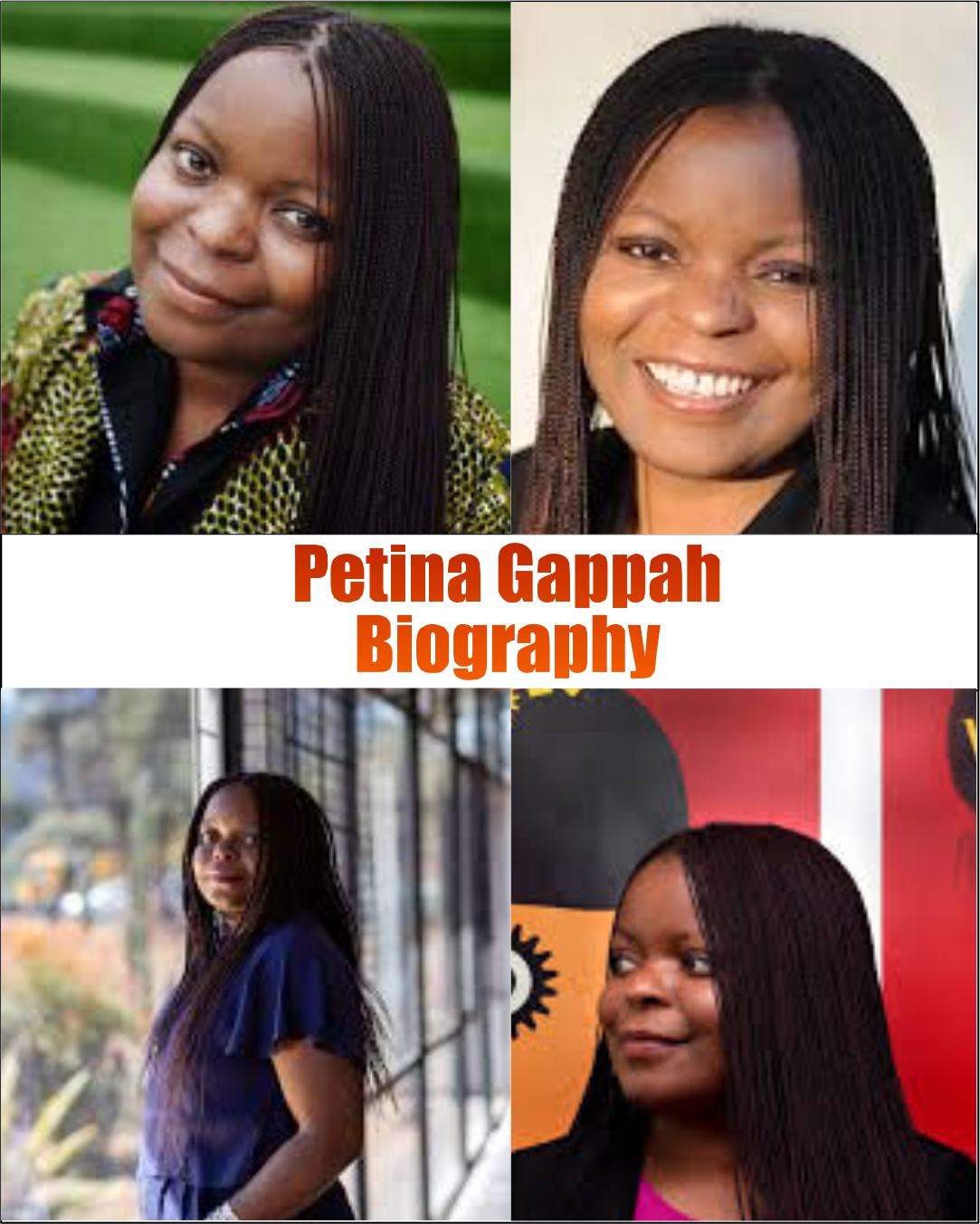
Petina Gappah Biography
The Petina Gappah Biography: The Lawyer-Turned-Novelist Who Exposed Power, Justice, and the Stories Hidden in Plain Sight
Discover how Petina Gappah blends law, history, and storytelling to reveal powerful truths about justice, identity, and colonial legacy in Africa.
Power often speaks loudly.
But the truth about power?
That’s usually hidden in quieter places—courtrooms, personal accounts, forgotten histories.
Petina Gappah built her writing career in those spaces.
Not by inventing distant worlds, but by examining real systems—law, justice, colonial legacy—and revealing the human stories buried beneath them.
Her work doesn’t just tell stories.
It questions who controls them.
Petina Gappah Biography
| Full Name | Petina Gappah |
|---|---|
| Date of Birth | 1971 |
| Place of Birth | Zambia |
| Nationality | Zimbabwean |
| Profession | Writer, Lawyer |
| Known For | Author of An Elegy for Easterly |
| Education | University of Zimbabwe; University of Cambridge; University of Graz |
| Net Worth | Not publicly disclosed |
| Marital Status | Not publicly disclosed |
See also: Mo Ibrahim Biography – The Billionaire Who Walked Away from Profit to Fix African Leadership
Early Life and the Dual Path That Shaped Her Voice
Born in Zimbabwe, Petina Gappah’s early life was shaped by a country navigating its post-independence identity.
She grew up in an environment where:
- History was still unfolding
- Systems of power were evolving
- The past remained close to the present
But unlike many writers, her first path was not literature.
It was law.
Gappah studied law in Zimbabwe and later at Cambridge, eventually working as an international trade lawyer.
This legal background gave her something unique:
An understanding of how systems operate—and how they fail.
The Breakthrough That Introduced Her Perspective
Gappah first gained attention with her short story collection An Elegy for Easterly.
The stories offered sharp, often satirical insights into Zimbabwean life, exploring:
- Bureaucracy
- Corruption
- Everyday survival
But her major breakthrough as a novelist came with Out of Darkness, Shining Light.
The novel reimagines the story surrounding the death of the explorer David Livingstone—told from the perspective of the African men who carried his body across the continent.
This shift in perspective was significant.
It moved the focus from colonial narrative to African experience.
Writing Style: Sharp, Observant, Intellectually Grounded
Petina Gappah’s writing carries the precision of her legal background.
Her style is:
- Sharp
- Structured
- Rich in detail
She blends:
- Historical narrative
- Satire
- Legal and social insight
Her work often feels analytical—but never detached.
She examines systems while keeping the human experience at the center.
The Inspiration Behind Her Stories
Gappah draws from multiple sources:
- Zimbabwe’s political and social landscape
- Her experience within legal systems
- Historical events viewed from alternative perspectives
She is particularly interested in:
- Who gets to tell history
- How narratives are shaped
- What is left out of official accounts
Her writing is not just about storytelling.
It is about reframing.
Most Recognized Works
Out of Darkness, Shining Light remains her most globally recognized novel.
It stands out for its narrative approach—centering African voices in a story historically dominated by colonial perspectives.
Her earlier collection, An Elegy for Easterly, continues to be widely read for its insight into Zimbabwean society.
Across her works, Gappah consistently explores:
- Power
- Justice
- Identity
Controversy and Challenging Established Narratives
Gappah’s work—and public commentary—has occasionally sparked debate.
By questioning:
- Political systems
- Historical narratives
- Institutional structures
she enters spaces where disagreement is inevitable.
Her writing does not seek controversy.
But it does not avoid it either.
Recognition and Literary Standing
Gappah has received multiple literary honors and has been recognized internationally for her work.
Her writing has been:
- Shortlisted for major prizes
- Published globally
- Studied for its historical and social insight
She occupies a space that bridges literature and intellectual discourse.
Adaptations and Broader Reach
While her works have not yet seen major film adaptations, their narrative depth and historical scope make them strong candidates for future development.
Her storytelling already carries a cinematic quality—rich in detail and perspective.
Net Worth and Public Profile
Gappah’s financial details are not publicly emphasized.
Her career reflects a blend of:
- Legal expertise
- Literary achievement
- Intellectual influence
Writing Philosophy: Question the Narrative
At the core of Gappah’s work is a simple but powerful idea:
Stories are never neutral.
She writes with the belief that:
- Narratives reflect power
- History can be reinterpreted
- Literature should challenge accepted versions of truth
Her work encourages readers to look beyond what is presented—and ask deeper questions.
Influence on Readers and Culture
Petina Gappah has influenced:
- How African history is re-examined in fiction
- Conversations around justice and governance
- Writers interested in blending law, history, and storytelling
Her work expands the role of literature—from storytelling to inquiry.
Memorable Closing
Petina Gappah does not accept stories as they are told.
She examines them.
She questions them.
And when necessary, she rewrites them.
Because sometimes, the most important stories are not new ones…
but old ones—seen differently.
And once that perspective shifts…
everything else begins to change.
Frequently Asked Questions
What is Petina Gappah known for?
Petina Gappah is known for her short stories and novels that explore life in Zimbabwe with humor, insight, and social commentary.
Has Petina Gappah won any awards?
Yes, she won the Guardian First Book Award for An Elegy for Easterly, which brought her international recognition.
What themes does Petina Gappah explore in her writing?
Her works often focus on justice, politics, identity, corruption, and everyday life in Zimbabwean society.
What is Petina Gappah’s professional background?
In addition to being a writer, Petina Gappah is a trained lawyer and has worked in international trade law.
Is Petina Gappah involved in international organizations?
Yes, she has worked with international institutions, including roles connected to global trade and legal frameworks.