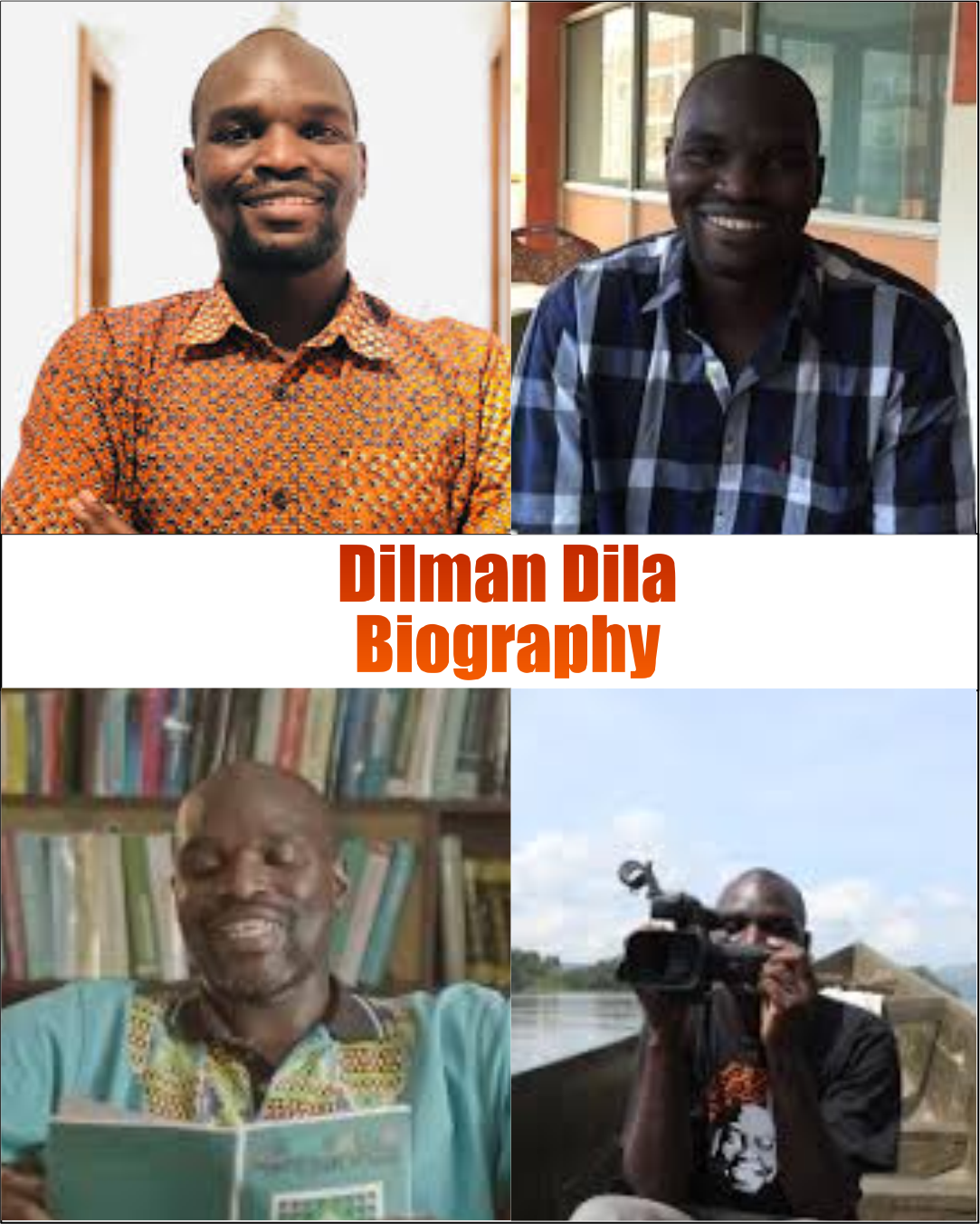
Dilman Dila Biography
The Dilman Dila Biography: The Storyteller Blending African Myth, Horror, and Reality Into Unforgettable Narratives
Discover how Dilman Dila combines African folklore, horror, and modern storytelling to create powerful, genre-defying narratives with global appeal.
Fear is universal.
But the way it is told?
That depends on culture, memory, and imagination.
Dilman Dila understands this better than most.
He doesn’t just write stories to entertain—he builds narratives that sit at the intersection of myth and reality, where the familiar becomes unsettling and the ordinary reveals something deeper.
His work doesn’t chase attention.
It lingers.
Dilman Dila Biography
Biography Table: Dilman Dila
| Full Name | Dilman Dila |
|---|---|
| Date of Birth | 1977 |
| Place of Birth | Uganda |
| Nationality | Ugandan |
| Profession | Writer, Filmmaker |
| Known For | Author of A Killing in the Sun |
| Education | Makerere University |
| Net Worth | Not publicly disclosed |
| Marital Status | Not publicly disclosed |
See also: Fred Swaniker Biography: The Educator Who Bet on Africa’s Youth and Built a University Without Borders
Early Life and the Creative Path Less Taken
Born in Uganda, Dilman Dila grew up in an environment rich with storytelling traditions.
Like many African cultures, stories were not separate from life.
They were:
- Warnings
- Lessons
- Cultural memory
From an early age, Dila was drawn to creative expression—not just through writing, but also through visual storytelling.
This led him to explore both literature and filmmaking, creating a dual path that would define his career.
The Breakthrough That Established His Voice
Dilman Dila gained international recognition after winning the BBC International Radio Playwriting Competition for his story A Killing in the Sun.
The story is deceptively simple.
A man is ordered to kill someone.
But what unfolds is a layered exploration of:
- Moral conflict
- Fate
- The psychological weight of choice
This recognition brought global attention to Dila’s work and marked him as a unique voice in African storytelling.
Writing Style: Dark, Symbolic, Deeply Cultural
Dila’s writing stands out for its ability to merge genres.
He blends:
- Horror
- Speculative fiction
- African folklore
His style is:
- Atmospheric
- Symbolic
- Emotionally grounded
Rather than relying on conventional horror tropes, he draws from:
- Cultural myths
- Spiritual beliefs
- Psychological tension
The result is storytelling that feels both unfamiliar and deeply rooted.
The Inspiration Behind His Stories
Dila’s inspiration comes from a combination of tradition and imagination.
He draws from:
- Ugandan folklore
- Oral storytelling traditions
- Contemporary social realities
His work often asks:
What happens when ancient beliefs meet modern life?
And how do those beliefs continue to shape perception and behavior?
Most Recognized Works
While A Killing in the Sun remains his most widely recognized work, Dila has also produced:
- Short stories
- Novels
- Films
His works often explore:
- Fear
- Identity
- The supernatural as a reflection of human experience
Across formats, his voice remains consistent—curious, experimental, and deeply cultural.
Controversy and Breaking Genre Expectations
Dila’s work does not generate controversy through subject matter.
Instead, it challenges expectations.
African literature has often been associated with:
- Historical narratives
- Political themes
Dila expands that space—introducing horror and speculative fiction as legitimate, powerful storytelling tools within African contexts.
This shift is subtle—but important.
Recognition and Literary Standing
Winning the BBC International Radio Playwriting Competition placed Dila on the global stage.
His work has since been:
- Recognized internationally
- Featured in literary platforms
- Celebrated for its originality
Despite this, he remains relatively underexposed—making him an ideal fit for your blog’s focus.
Adaptations and Film Influence
Unlike many authors, Dila operates actively in both writing and film.
He has created short films that reflect his storytelling style—blending visual and narrative elements.
This dual approach strengthens his work, giving it a cinematic quality even on the page.
Net Worth and Public Profile
Dila’s financial details are not widely documented.
His career reflects:
- Creative exploration
- Cross-medium storytelling
- Cultural contribution over commercial visibility
Writing Philosophy: Explore the Unknown, Stay Rooted in Culture
At the core of Dila’s work is a belief in expanding storytelling boundaries.
He writes with the understanding that:
- African stories can exist in any genre
- Tradition and innovation can coexist
- Fear and imagination are powerful narrative tools
His work is not about fitting into existing categories.
It is about creating new ones.
Influence on Readers and Culture
Dilman Dila has influenced:
- Emerging African writers exploring speculative fiction
- Readers interested in non-traditional narratives
- The expansion of African literature into new genres
He represents a shift:
From expectation
to possibility
Memorable Closing
Dilman Dila does not follow the usual paths of storytelling.
He creates his own.
Blending myth with reality, fear with reflection, and tradition with imagination.
Because sometimes, the most powerful stories are not the ones we recognize immediately…
but the ones that stay with us—quietly, persistently—long after they are told.
Frequently Asked Questions
What is Dilman Dila known for?
Dilman Dila is known for his speculative fiction and short stories, particularly A Killing in the Sun, which blends African storytelling with science fiction and fantasy.
Has Dilman Dila won any awards?
Yes, Dilman Dila won the Commonwealth Short Story Prize (Africa Region) for A Killing in the Sun.
What genres does Dilman Dila write?
He writes speculative fiction, including science fiction, fantasy, and horror, often rooted in African cultural contexts.
Is Dilman Dila also a filmmaker?
Yes, Dilman Dila is also a filmmaker and has worked on films that explore African stories and themes.
What themes are common in Dilman Dila’s work?
His works often explore technology, culture, identity, and the intersection of tradition and modernity in African societies.